
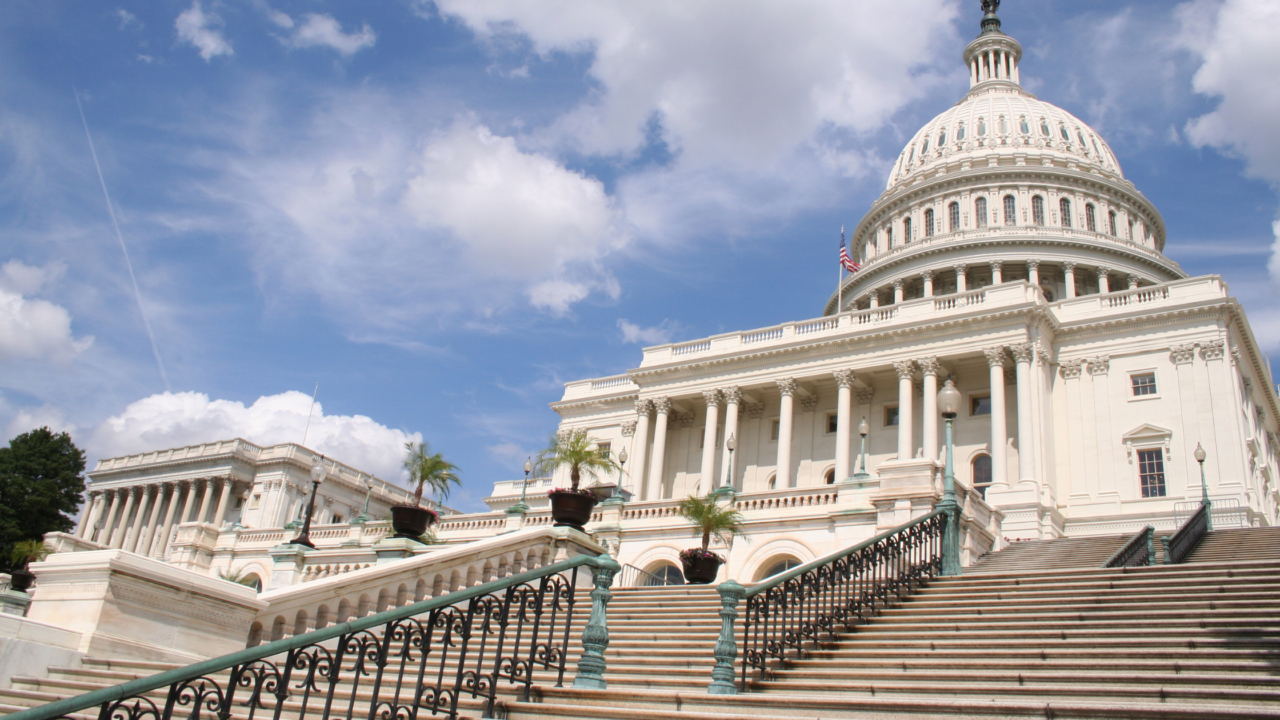
Florida members of Congress are announcing their State of the Union guests as President Donald Trump prepares to deliver his address to Congress this week. The guest selections by members of Florida’s congressional delegation highlight key policy debates ranging from economic concerns and health care costs to international human rights and Cuba policy, reflecting the diverse priorities shaping the political landscape ahead of the State of the Union address.
Sen. Rick Scott will bring Shark Tank host and investor Kevin O’Leary, who recently relocated to South Florida. Meanwhile, Rep. Debbie Wasserman Schultz, the Democratic co-chair of the delegation, plans to bring South Florida business owner Steve Reyes, who says his family’s health care costs jumped from $1,000 to $3,400 monthly under the Trump administration.
State of the Union Guest Choices Reflect Political Priorities
Rep. María Elvira Salazar announced that Rosa María Payá, daughter of Cuban dissident leader Oswaldo Payá, will attend as her guest to spotlight the ongoing fight for freedom in Cuba. “Her father stood up to the Cuban dictatorship and paid the ultimate price for choosing freedom over fear,” Salazar said in a statement.
However, not all Florida Democrats plan to attend the address. Rep. Maxwell Frost announced he will skip the State of the Union to participate in an alternative rally at the National Mall instead, citing concerns about what he characterized as authoritarian power consolidation.
Congressional Republicans Focus on Fraud Prevention
Additionally, Florida Republicans are advancing legislation targeting fraud in federal programs. Scott introduced the SNAP Data Transparency and Oversight Act, which would give the U.S. Department of Agriculture faster access to Supplemental Nutrition Assistance Program funding data administered by states.
Rep. Aaron Bean filed companion legislation in the House aimed at cracking down on health care fraud. His Punishing Health Care Fraudsters Act would impose penalties including up to 25 years in prison for general health care fraud and up to 30 years for cases involving bodily injury, according to the bill text.
Tariff Ruling Sparks Democratic Response
Florida Democrats celebrated a Supreme Court ruling confirming that Trump does not have unilateral authority to impose tariffs. Rep. Kathy Castor said families are paying up to $1,700 more per year under Trump tariffs, according to her statement.
In contrast, Florida Republicans in the House sided with the President earlier this month in a vote rejecting Trump’s tariffs on Canada. That measure passed with six Republicans joining almost all Democrats, but awaits Senate action.
Small Business Legislation Gains Support
Rep. Vern Buchanan’s American Innovation Act is drawing backing from national small business and investor groups. The bill would quadruple the Small Business Start-up Deduction from $5,000 to $20,000 and raise the phaseout threshold from $50,000 to $120,000.
“Entrepreneurship is at the heart of the American Dream,” Buchanan said. The legislation aims to help startup companies during their most critical early stage by allowing them to deduct more of their initial costs.
Energy Security and Infrastructure Concerns
Rep. Greg Steube filed the CHARGE Act to prohibit the importation of energy storage systems containing remote monitoring capabilities from Chinese entities. The legislation responds to concerns raised in the U.S.-China Economic and Security Review Commission’s 2025 Annual Report about potential surveillance of American power grids.
Meanwhile, Rep. Brian Mast raised questions about public funding for Brightline rail projects on the Treasure Coast. Mast’s office estimates that public dollars cover 90% of a drawbridge replacement project across the St. Lucie River, which includes a $208.5 million federal grant.
Workforce and International Issues
A new Government Accountability Office report requested by Rep. Frederica Wilson shows that more than half a million disabled Americans actively sought work but remained unemployed from 2021 to 2024. Wilson called for stronger enforcement of workforce access laws to address persistent employment barriers.
Rep. Mario Díaz-Balart joined a congressional report supporting Trump’s designation of Nigeria as a “Country of Particular Concern” for religious freedom violations. The report follows a bipartisan delegation visit to Nigeria led by Díaz-Balart, where members heard testimony about violence against Christian communities.
The various legislative initiatives and policy positions announced this week will likely factor into ongoing debates as Congress continues work on budget reconciliation and other priorities in the coming months. The actual impact of these proposals remains uncertain pending committee action and floor votes.