
When the person in front of you knows something that the rest of you don’t, a certain kind of silence falls over the room. It’s difficult to ignore that silence when watching Sam Altman in interviews these days. With his hands clasped and his voice low, he sits forward and describes how the world is going to change in a gentle, almost apologetic manner, much like a dentist explaining that a tooth needs to be extracted. He isn’t asking, which is the problem.
OpenAI published a thirteen-page document titled “Industrial Policy for the Intelligence Age” last month on the same Monday that The New Yorker published an eighteen-month investigation into his integrity. It suggested a national wealth fund, a shift in the tax base away from labor, and automatic safety-net triggers when AI replaces workers. Big, Roosevelt-style concepts. For Altman, the timing was, let’s say, favorable. In the midst of the mayhem, sound the fire alarm and leave. It’s a tactic that dates back to boarding school.
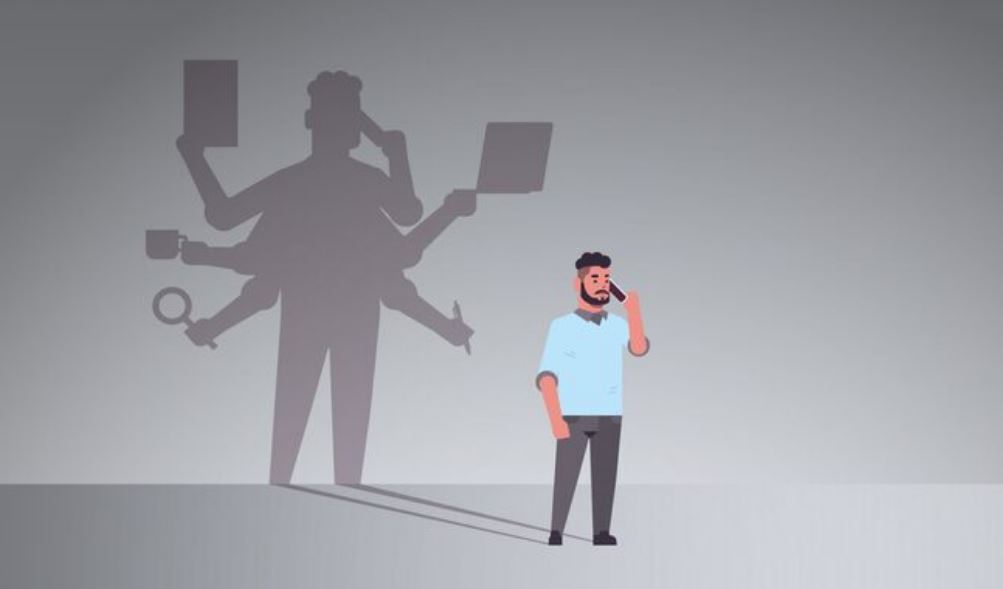
However, there is something more bizarre than policy hidden beneath that document. It shows how billions of people should be taxed, retrained, compensated, and integrated into the next economy by a single man operating a single business under the guidance of a small group of investors and assistants. He wasn’t asked to. On it, no one cast a vote. There is no town hall, no referendum, and no charter. Just a press cycle and a blog post.
Ronan Farrow and Andrew Marantz’s investigation explains in detail why Altman’s own board attempted to remove him, something that many of us had been pursuing since 2023. The chief scientist of OpenAI, Ilya Sutskever, who had officiated Greg Brockman’s wedding using a robotic hand to carry the ring, eventually assembled about seventy pages of HR documents and Slack messages, which he took pictures of on a personal phone to evade detection. His list of worries about Altman began with the word “Lying.” Sutskever stated bluntly to another board member, “I don’t think Sam is the guy who should have his finger on the button.”
He continues to press the button. Sitting with that part is worthwhile. Reporters were informed by early investor Reid Hoffman that he was searching for “embezzlement, or sexual harassment, and I just found nothing.”” It’s a strange kind of comfort. Trust is not the same as the absence of a blatant crime. Nevertheless, the firing ended in seventy-two hours. Microsoft exerted pressure. The board was reorganized. When Altman returned home to his $27 million home above San Francisco Bay, he claimed to have drifted through a “weird fugue” while attorneys operated out of the office adjacent to his bedroom.
Another window was provided by the Musk v. Altman trial in Oakland this spring, and it wasn’t one that pleased anyone. In his 2018 journal, Greg Brockman posed the question, “Financially, what will take me to $1B?” He is currently at thirty billion. Under oath, Altman stated that he was “unaware” of the New Yorker article while testifying. Two men with private mansions argued over which of them cared more about humanity, and the jury—presumably ordinary people making regular wages—watched. In about two hours, they dismissed the case on a technicality. Both houses have the pox.
As you watch this play out, this is what gnaws at you. Whether Altman is a villain is not the question. He might not be. He might sincerely believe in the wealth fund proposals, the universal basic income pilots, and the cautious discussion of “the transition.” Many people who know him describe him as charming, quick, and genuine. When one person’s product choices can destroy call centers in Manila, paralegal positions in Ohio, and radiology rooms in Mumbai, the question is whether sincerity can take the place of accountability. Most likely it isn’t.
It seems like we’ve outsourced something lately. The future of the work, not just the work itself. That power was not taken by Sam Altman. By purchasing the subscriptions, financing the round, and avoiding the more difficult questions while there was still time, we gave it to him. No one else had the idea to write the manifesto, so he is. We should be more concerned about that than he is.