
Although the conflict between Spain and Donald Trump developed quickly on social media, its origins seem more ancient, almost archaic. The day started off quietly enough in Madrid. Cameras hummed in the morning light as reporters stood behind metal barricades outside the prime minister’s La Moncloa home. By the afternoon, newsrooms throughout Europe were resounding with the phrase “trade embargo.”
Spain’s refusal to permit the United States to use its joint military bases for operations related to strikes on Iran served as the catalyst. The bases in southern Spain, Rota and Morón, have long represented the complex relationship between the two nations. Spanish flags, a tangible symbol of NATO collaboration, are frequently seen next to American planes as they sit on the tarmac. However, Madrid made it clear that the facilities could not be used for attacks that it deemed to be outside of current agreements because sovereignty matters.
| Category | Details |
|---|---|
| Key Figures | Donald Trump, Pedro Sánchez |
| Country Involved | Spain |
| Issue | U.S. military use of Spanish bases during Iran conflict |
| U.S. Position | Trump threatened to cut trade ties |
| Spain’s Position | Refused to allow bases to be used for strikes |
| Spanish Leader | Pedro Sánchez, Prime Minister |
| U.S. Leader | Donald Trump, President |
| Key Locations | Rota Naval Base, Morón Air Base (Spain) |
| EU Reaction | European leaders voiced support for Spain |
| Reference | https://www.bbc.com |
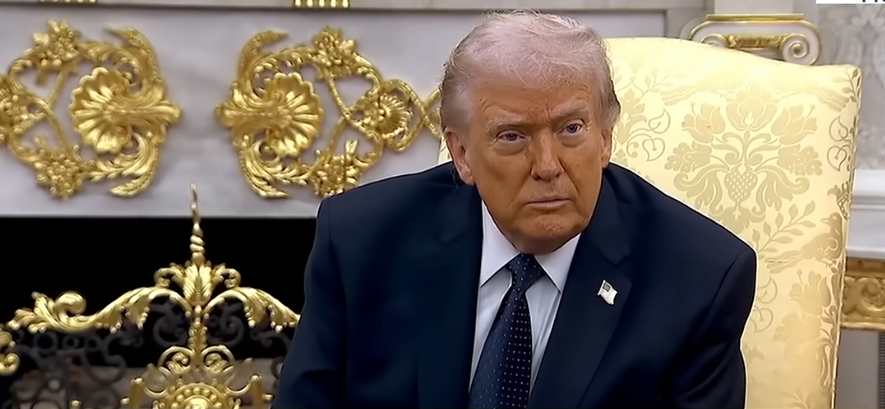
As usual, Donald Trump gave a direct response. He described Spain as a “dreadful partner” while speaking from the Oval Office and hinted that the US might completely stop trading with Spain. The declaration shook diplomatic circles like a tiny earthquake. Everything from car parts to olive oil is traded between the two nations. It sounded for a split second like economic war had broken out from a political conflict.
Pedro Sánchez, the prime minister of Spain, swiftly retaliated. Instead of using strategic terms to frame the issue, he used moral ones in a televised speech from Madrid. He asserted that Spain opposed war and held that military decisions ought to be governed by international law. Given that many Spanish voters still recall the nationwide protests that erupted during the Iraq War twenty years ago, it is plausible that the message was intended not only for Washington but also for Spanish voters.
When foreign conflicts arise in Spain, there’s something intriguing about the atmosphere. On a weekday evening, you may see students huddled around cafés in central Madrid, debating politics with the ferocity of sports fans during a match. Here, the invasion of Iraq in 2003 is still fresh in our minds. That conflict caused severe national division and permanently altered Spanish politics. Reminding people of how earlier interventions altered the world in unexpected ways, Sánchez appeared to be drawing on that memory.
Trump, on the other hand, took a different approach to the matter. He was not limited to the military bases in his criticism of Spain. Spain is frequently brought up when he laments that some NATO nations spend insufficient amounts on defense. The nation’s defense budget still falls short of the lofty goals that some American leaders have advocated. The base dispute appeared to Trump as evidence that allies were failing to shoulder their fair share of the burden.
As the conversation progressed, it seemed as though both leaders were addressing audiences that were very different from one another. Trump’s comments struck a chord with supporters who want to take a more aggressive approach to allies they feel gain from American might. Sánchez, however, seemed to be presenting Spain as a champion of diplomacy and international law. Neither story is completely straightforward. Rarely are alliances.
The European Union jumped right into the discussion. Brussels officials expressed support for Spain, pointing out that another nation cannot simply target an EU member’s trade policy without having an impact on the bloc as a whole. Another level of complexity is introduced by that reality. A disagreement over trade with Spain could easily turn into one with Europe.
It is more difficult to read the practical ramifications on the ground in southern Spain. American destroyers are arranged neatly along the harbor at the naval base in Rota. Every day, sailors pass Spanish guards at the gate. Despite both sides of the Atlantic changing governments, the collaboration has persisted for decades. A single argument, no matter how loud, might not destroy that relationship right away.
The rhetoric is important, though. Public threats have the power to change perceptions, even though diplomacy frequently proceeds in silence. Policymakers and investors keep a close eye on these signals, attempting to discern whether they are political theater or actual policy changes. Whether Trump’s trade threat was a real plan or a negotiating ploy is still up in the air.
The issue of timing is another. A number of nations have already found themselves in awkward diplomatic situations as a result of the Iran conflict. Spain was in a unique position where it supported Western alliances while opposing direct military involvement because it would not permit strikes on its bases. Depending on who is judging, that balancing act may appear cautious or principled.
From a distance, the debate seems to be saying something more significant about contemporary alliances. Trade networks, defense agreements, and decades of common strategy keep nations connected. However, political figures are using more incisive and public language. Previously conducted behind closed doors, the diplomacy now takes place in viral videos and headlines.
The flights are still taking place through Spanish airspace, and the ships are still docked in Rota. Trade between the United States and Spain has continued. However, the dispute between Trump and Spain remains in the background, serving as a reminder that when politics and war collide, even established alliances can feel suddenly uncertain.