
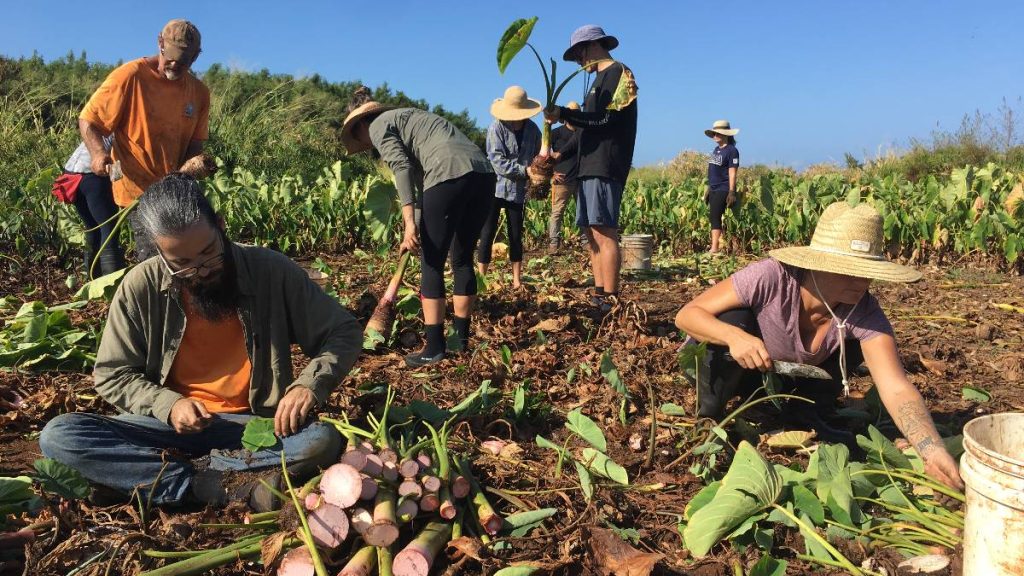
GoFarm Hawaiʻi has announced a new training opportunity for neighbor island residents interested in traditional Hawaiian agriculture. Applications are now open for the “Cultivating Canoe Crops Course,” which will focus on cultivating canoe crops including kalo, ʻōlena, kō, maiʻa, lāʻī, and ʻulu. The program will explore cultivation techniques, crop characteristics, and value chains through both online and in-person sessions this spring.
According to the program details, participants will engage in hands-on learning at the GoFarm ʻĀlae training site in Hilo, along with field visits to production and processing locations. The course is open to all Hawaiʻi residents 18 years old and older who can commit to the class schedule. Applications are due on March 15, with notifications sent by March 20.
Understanding Canoe Crops and Training Format
The cultivating canoe crops course will combine theoretical knowledge with practical experience. Participants will attend online sessions via Zoom on Thursday evenings from 5:30 to 7:30 p.m., scheduled for April 9, April 23, April 30, May 14, and May 28. Additionally, in-person Saturday morning sessions will run from 8:30 a.m. to 12:30 p.m. on Hawaiʻi Island on April 11, April 25, May 2, May 16, and May 30.
The curriculum will provide exposure to business and market opportunities, including value-added processing of traditional Hawaiian crops. This approach aims to connect cultural agricultural practices with contemporary economic opportunities. However, inter-island participants should note they are responsible for their own travel costs to attend the in-person sessions on Hawaiʻi Island.
Support for Native Hawaiian Participants
The program is sponsored by the Office of Hawaiian Affairs Kūlana ʻĀina program, which focuses on strengthening Native Hawaiian economic resilience. According to OHA, the initiative is designed to activate ʻāina as a foundation for workforce pathways, business development, and intergenerational prosperity. The Kūlana ʻĀina program represents OHA’s broader food systems initiative supporting Native Hawaiians across the state’s evolving food economy.
Potential stipends may be available for Native Hawaiian participants who have completed the Office of Hawaiian Affairs Hawaiian Registry Program. The program organizers indicate that this financial support aims to reduce barriers to participation for qualified Native Hawaiian residents. Meanwhile, the course itself is offered free of charge to all accepted applicants, though a formal application is required for consideration.
Building Workforce and Market Connections
The training program emphasizes more than just agricultural techniques. From cultivating canoe crops to developing professional skills, participants will gain training, mentorship, and buyer relationships needed to expand their market presence. These connections are intended to support long-term stability for farmers and producers working with traditional Hawaiian crops.
The program contributes to building a more resilient and locally-rooted food system in Hawaiʻi. By combining traditional knowledge of canoe crops with modern business practices, the course aims to create sustainable economic pathways for participants. In contrast to purely academic programs, this hands-on approach provides direct access to production facilities and processing locations.
Program Goals and Community Impact
According to program materials, the initiative seeks to support participants in expanding their participation across Hawaiʻi’s food economy. The focus on canoe crops connects cultural preservation with economic development opportunities. These traditional plants have sustained Hawaiian communities for generations and continue to hold significant cultural and nutritional value.
The hands-on learning component ensures participants gain practical experience beyond classroom instruction. Field visits to production and processing sites will expose students to real-world applications of the cultivation techniques and business models discussed during the course.
Prospective participants have until March 15 to submit their applications through the online application portal. Organizers will notify selected applicants by March 20, allowing successful candidates time to prepare for the first sessions beginning in early April.