
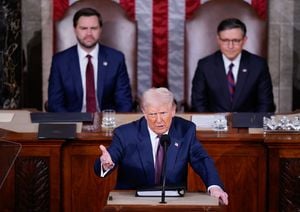
President Donald Trump is expected to deliver his State of the Union address with a strong focus on economic policy, outlining key priorities for his administration. According to recent reports, the speech will emphasize three major economic initiatives designed to reshape the nation’s fiscal landscape. Trump’s economic pitch at the State of the Union is anticipated to address tax policy, trade reform, and deregulation measures that could significantly impact American businesses and consumers.
The address comes at a critical time as lawmakers and markets await clarity on the administration’s economic agenda. Political analysts suggest the speech will serve as a roadmap for upcoming legislative battles and negotiations in Congress. The President’s economic proposals are likely to face scrutiny from both sides of the aisle as they seek to balance growth objectives with fiscal responsibility.
Tax Policy and Fiscal Reform in Focus
One of the central components of Trump’s economic pitch at the State of the Union is expected to involve tax policy adjustments. Reports indicate the administration may propose extensions or modifications to existing tax cuts that are set to expire in the coming years. These proposals could include provisions aimed at middle-class tax relief and incentives for domestic manufacturing.
Additionally, sources suggest the President may outline plans to simplify the tax code further. The administration has previously emphasized reducing complexity for small businesses and individual taxpayers. However, critics have raised concerns about the potential impact on federal revenue and the national deficit.
Trade and Tariff Strategy
Trade policy is anticipated to feature prominently in the economic portion of the address. The administration has signaled intentions to renegotiate certain trade agreements and implement strategic tariffs to protect American industries. According to economic advisors, these measures aim to reduce trade imbalances and encourage domestic production.
Meanwhile, business groups have expressed mixed reactions to potential tariff expansions. While some manufacturing sectors welcome protectionist measures, importers and retailers warn of increased costs for consumers. The President’s State of the Union economic pitch will likely attempt to balance these competing interests while emphasizing job creation and industrial revitalization.
Deregulation and Business Environment
The third pillar of Trump’s economic agenda is expected to focus on regulatory rollbacks across multiple sectors. The administration has consistently advocated for reducing what it characterizes as burdensome regulations that hinder business growth and innovation. Energy, finance, and technology sectors may see specific mentions regarding regulatory relief measures.
In contrast, environmental and consumer advocacy groups have voiced concerns about the potential consequences of extensive deregulation. They argue that certain regulations serve critical public health and safety functions. The administration counters that streamlined regulations can coexist with necessary protections while fostering economic competitiveness.
Economic Projections and Market Response
Financial markets are closely monitoring the State of the Union for signals about the administration’s economic priorities. Economists note that clarity on tax and trade policies could influence business investment decisions and consumer confidence. However, the timing and feasibility of implementing these proposals through Congress remains uncertain.
Furthermore, the proposed economic measures will likely be evaluated against current inflation trends and employment data. The Federal Reserve’s monetary policy decisions may also factor into how effectively these fiscal initiatives achieve their stated goals. Analysts emphasize the importance of coordination between fiscal and monetary authorities.
Following the State of the Union address, legislative committees are expected to begin detailed discussions on the proposed economic measures. The timeline for any concrete policy changes remains dependent on congressional negotiations and budgetary considerations, with significant debates anticipated in the coming months.