
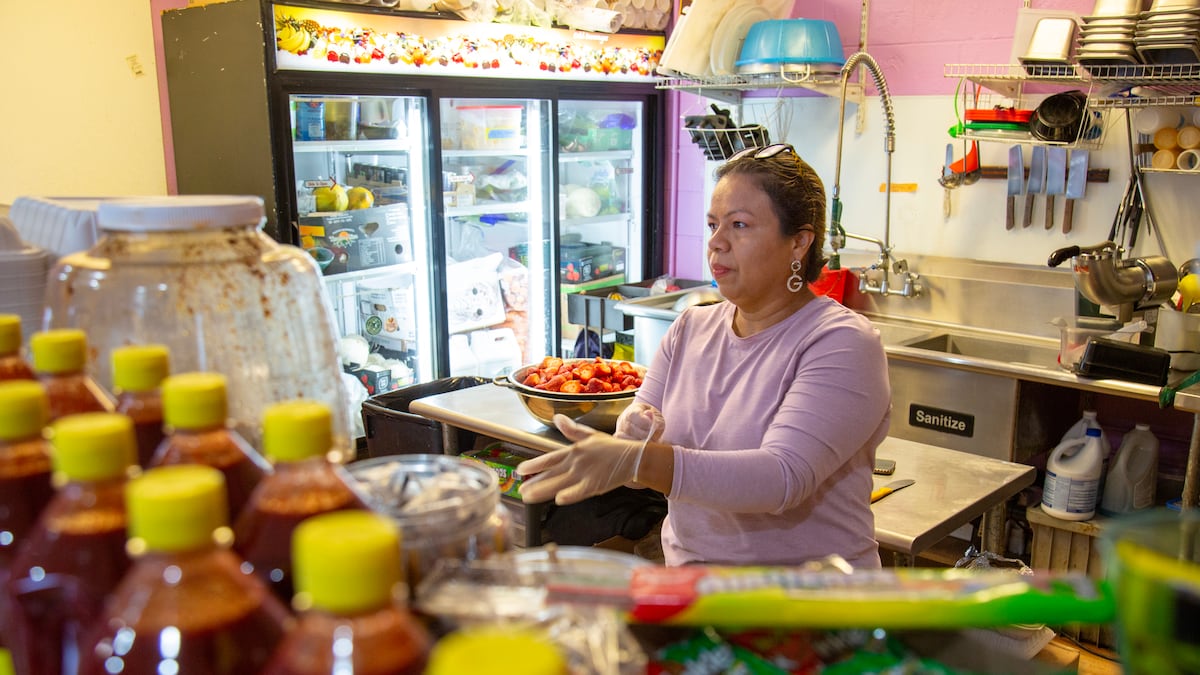
Vancouver, Washington has approved a $300,000 grant program to support small businesses along the Fourth Plain corridor experiencing severe revenue losses amid declining customer traffic. The Vancouver City Council authorized the funding on Monday night to assist immigrant- and BIPOC-owned businesses in the area that have seen sales drop by at least 40% over the past year. Business owners attribute the downturn to fears stemming from the Trump administration’s immigration enforcement activities.
The grant program targets businesses in Vancouver’s Fourth Plain Boulevard area, often called the city’s international district. Individual grants of up to $10,000 will be available to cover immediate expenses including payroll, rent and utilities, according to city officials. Award amounts cannot exceed a business’s documented revenue loss.
Fourth Plain Businesses Report Dramatic Sales Declines
Gabriela Mendoza, owner of Frutas Locas, a fruit-based smoothie and snack shop on Fourth Plain, said her business has dropped 70% in the past year. She attributes the decline to community members staying home due to immigration concerns. “The family is inside in the house. My business is very, very slow,” Mendoza said.
According to Nicole Davison Leon, executive director of the Hispanic Metropolitan Chamber, the pattern is widespread. The chamber serves approximately 700 businesses in Portland and Southwest Washington. “We’ve definitely seen an influx in businesses reporting up to 60% of sales reductions. Between 40% and 60% of sales reductions compared to the previous year,” Davison Leon said.
Immigration Climate Impacts Small Business Revenue
The Trump administration’s federal immigration policies are affecting both staffing levels and customer traffic for Fourth Plain businesses, Davison Leon explained. Additionally, increased tariff costs have compounded financial pressures on these small businesses. The Fourth Plain corridor is known for its concentration of immigrant- and BIPOC-owned establishments ranging from restaurants to mechanic shops.
Chris Harder, deputy director of economic prosperity and housing at the city of Vancouver, emphasized the urgency of the initiative. “We hope to do this pretty quick, because I think the needs are now, not two months from now,” Harder said. The program requires grants to be distributed within six months of inception.
Federal Pandemic Funds Repurposed for Small Business Grants
The funding comes from the American Rescue Plan Act, the federal program passed in response to the pandemic. According to Harder, those dollars were eventually converted to city general fund dollars and were specifically allocated to the Fourth Plain investment area rather than citywide programs.
However, the city will not directly administer the grant program. A nonprofit organization, yet to be determined, will run the initiative for Vancouver. During Monday’s council meeting, city officials indicated that outreach would be more effective through a nongovernmental organization given the community’s concerns.
Community Calls for Local Response to Immigration Enforcement
Vancouver residents have been attending community meetings and public hearings in recent months, calling on city officials to respond to local immigration actions by federal authorities. Meanwhile, the city’s responses have been relatively limited. Vancouver Police Chief Troy Price has stated his department does not cooperate with federal immigration officers, and the city has compiled legal resources on its website.
In contrast to these indirect measures, the small business grant program represents a more concrete response. “A lot of these small businesses, they’re our neighbors, they’re our family, they’re people that we know,” Davison Leon said. For Mendoza at Frutas Locas, a $10,000 grant would provide critical support. “It’s a solution for every business in the area,” she said.
The city has not announced a timeline for selecting the nonprofit administrator or when businesses can begin applying for grants. Officials indicated applications would be processed quickly once the program launches to address immediate financial needs in the Fourth Plain corridor.