
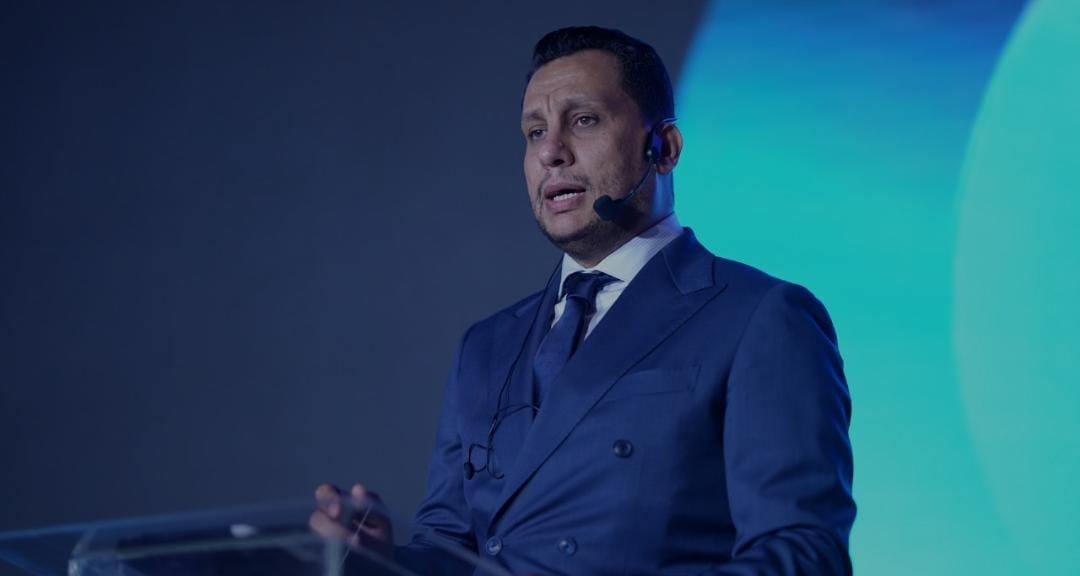
Saudi-Egyptian venture capital firm EDAFA has announced plans to invest $10 million in Egyptian startups during 2026, marking a significant increase in its commitment to the country’s entrepreneurial ecosystem. The disclosure was made by Essam Aly Mostafa, CEO of EDAFA, during GITEX Egypt, where he outlined the firm’s growth strategy and regional expansion plans. The targeted investment represents more than 25% growth compared to the previous year, according to the executive.
Over the past 18 months, EDAFA has deployed approximately $8 million across Egypt, supporting more than 20 startups at various stages from Pre-Seed to Series A. While the firm had initially aimed to invest $13 million during that period, it adopted a more selective approach to ensure investments aligned with its strategic and financial criteria.
Strategic Focus on Egyptian Startup Ecosystem
Egypt remains a priority market for EDAFA due to its robust entrepreneurial talent pool and substantial consumer base, Mostafa explained. The venture capital firm operates as a cross-border investment platform that distinguishes itself by providing not only capital but also hands-on operational support to portfolio companies. This approach allows EDAFA to maintain active involvement in the growth trajectory of its investments.
The firm currently manages a portfolio of 61 companies spanning multiple markets including Saudi Arabia, the UAE, Jordan, and Kuwait. This diversified geographic presence positions EDAFA as a regional player capable of facilitating cross-border opportunities for startups seeking expansion beyond their home markets.
Recent Investment Highlights
Among EDAFA’s recent commitments is Shares, an Egyptian startup launched in 2025 that pioneered fractional real estate ownership in the region. The platform enables individuals to invest in property starting from SAR 500, democratizing access to real estate investment. According to the CEO, Shares is preparing for a major expansion into Saudi Arabia, pending regulatory approvals from the Financial Regulatory Authority and the Capital Market Authority.
EDAFA typically acquires equity stakes ranging from 5% to 45% in portfolio companies, maintaining what Mostafa described as “meaningful participation.” This structure ensures founders retain sufficient ownership to remain incentivized for long-term value creation. Additionally, the firm employs a performance-based capital deployment model, releasing funds in tranches tied to measurable KPI milestones.
Operational Support and Portfolio Management
Beyond capital injection, EDAFA assigns dedicated investment managers to each portfolio company to oversee development and provide strategic guidance. This hands-on approach differentiates the firm from traditional venture capital players who typically maintain a more passive relationship with investees. The KPI-based investment model ensures accountability and alignment between the firm and startup founders.
However, the selective investment strategy reflects broader market conditions in the MENA venture capital landscape, where investors have increasingly prioritized quality over quantity. The decision to invest $8 million instead of the planned $13 million demonstrates EDAFA’s disciplined approach to capital allocation amid evolving market dynamics.
Regional Expansion Plans
Looking beyond Egypt and existing markets, EDAFA is planning further geographic expansion into Oman, Bahrain, Switzerland, Kenya, and additional opportunities in the UAE. This expansion forms part of the firm’s broader strategy to build a diversified, regionally integrated investment platform capable of supporting startups across multiple jurisdictions. Meanwhile, the inclusion of Switzerland and Kenya signals EDAFA’s ambition to extend beyond the traditional MENA geography.
The firm’s expansion timeline and specific investment allocations for new markets have not been disclosed. Further details regarding regulatory approvals and partnership structures in target countries are expected to emerge as EDAFA advances its geographic diversification strategy throughout 2026.