
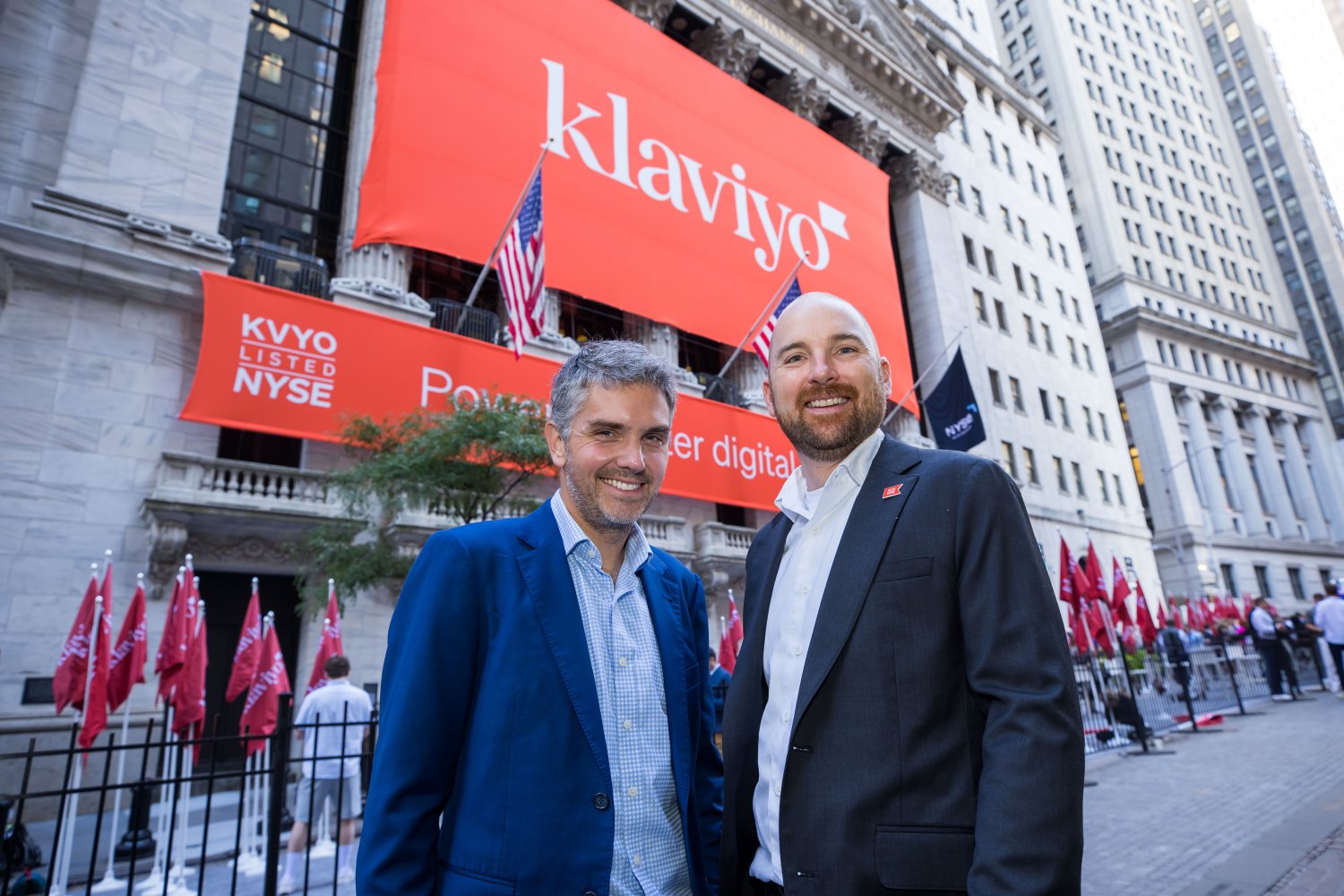
The Martin Trust Center for MIT Entrepreneurship has announced a major expansion of its delta v accelerator program, backed by a $6 million gift from two prominent Boston tech entrepreneurs. Ed Hallen and Andrew Bialecki, co-founders of customer relationship management firm Klaviyo, are funding the initiative to support the next generation of MIT student startups as artificial intelligence reshapes the entrepreneurship landscape.
The donation will enable significant enhancements to the MIT delta v accelerator, including increased equity-free funding for participants and access to mentorship from successful founders and industry leaders. Applications for the next cohort open March 1 and close April 1, with selected teams to be announced in May for the summer 2026 program.
Enhanced Funding for MIT Delta V Student Ventures
According to the Trust Center, one of the most substantial changes involves increasing available funding for participating teams. Students accepted into the MIT delta v accelerator will now be eligible to receive up to $75,000 in equity-free funding during the program, a significant jump from the previous $20,000 maximum.
Additionally, the accelerator is introducing a new partner model featuring leading founders from companies including HubSpot, Okta, and Kayak. These partners, along with C-suite operators, subject matter experts, and early-stage investors, will provide guidance and mentorship to student ventures throughout the program.
AI Revolution Drives Entrepreneurship Changes
The expansion comes as artificial intelligence fundamentally transforms how MIT students approach building companies. The Trust Center conducted months of discussions with key stakeholders to determine how best to adapt the delta v program to this rapidly evolving environment.
MIT Provost Anantha Chandrakasan noted that the AI revolution creates exciting opportunities for students to build impactful companies. “Core to MIT’s mission is developing the innovative technologies and solutions that can help solve tough problems at global scale,” he said, according to the announcement.
Recent MIT-founded startups leveraging AI have demonstrated explosive growth. Companies such as Cursor and Delve have experienced rapid expansion in customers, revenue, and valuation. Meanwhile, delta v alumni ventures including Klarity and Reducto are providing software-as-a-service platforms using AI tools.
Proven Track Record of Success
The delta v accelerator has established a strong foundation for expansion. According to a 10-year study, alumni from the program’s first decade have achieved a five-year company survival rate of 69%, substantially higher than typical startup survival rates.
These entrepreneurs have collectively raised over $3 billion in funding while addressing global challenges. The report indicates that 89 percent of delta v companies are directly aligned with UN Sustainable Development goals, spanning industries from biotech and climate to healthcare and fintech.
Bill Aulet, managing director of the Trust Center, recalled when Hallen and Bialecki were launching Klaviyo at the center. “Through their ingenuity and drive, they have created an iconic tech company here in Boston,” he stated. “Through their willingness to give back, many more students will now be able to follow their path.”
Supporting Innovation-Driven Entrepreneurship
Richard Locke, dean at MIT Sloan School of Management, emphasized the institution’s commitment to entrepreneurship education. He described the delta v program as an example of how MIT students connect with mentors and incorporate proven frameworks for disciplined entrepreneurship.
Ana Bakshi, the Trust Center’s executive director, explained that the program focuses on creating belief in exceptional entrepreneurial talent. “By supporting early-stage founders who take bold ideas from improbable to possible, we help them build companies that matter,” she said.
The Martin Trust Center, founded in 1991, combines evidence-based entrepreneurship frameworks with experiential learning to develop innovation-driven entrepreneurs. Its alumni have launched notable companies including Okta, HubSpot, PillPack, WHOOP, and Biobot Analytics across diverse sectors.
Teams selected for the summer 2026 delta v cohort will be announced in May following the April 1 application deadline. The enhanced program structure and increased funding aim to accelerate MIT’s role in developing the next wave of transformative startups.