
Context & Background
Paphos International Airport was briefly evacuated after radar systems detected a “suspicious object” in nearby airspace, triggering heightened security procedures amid rising regional tensions. Passengers and staff were cleared from the terminal as a precaution, while authorities assessed the potential threat. The alert followed reports of drone activity near RAF Akrotiri, a British military base approximately 60 kilometers away, underscoring growing concerns about spillover risks affecting civilian infrastructure in Cyprus.
The incident disrupted operations at both Paphos and Larnaca airports, with around 60 flights cancelled as airlines adjusted schedules in response to evolving security conditions. Carriers cited operational constraints and precautionary measures, while passengers faced delays, reroutings, and uncertainty. Although airport operations resumed later in the day, enhanced security protocols remain in place. Looking ahead, the episode highlights the vulnerability of aviation hubs to regional instability. Continued vigilance, coordinated airspace monitoring, and contingency planning will be crucial to maintaining operational continuity and safeguarding transport networks in the Eastern Mediterranean.
What Happened at Paphos Airport

Paphos International Airport in Cyprus was briefly evacuated on Monday, March 2, 2026, after radar systems detected a “suspicious object” in its vicinity, prompting authorities to clear the passenger terminal and place the facility on high alert as regional geopolitical tensions intensified.
The evacuation, which saw travellers and airport staff moved out of the terminal building, was ordered after radar operators identified an object that raised security concerns. Officials did not immediately clarify the object’s exact nature, but the move underscored heightened vigilance across the island’s airspace amid ongoing instability linked to conflict in the Middle East.
The alert followed reports of drone activity against the nearby British military base at RAF Akrotiri, located some 60 kilometres (37 miles) from Paphos. According to government statements, multiple unmanned aerial vehicles were spotted approaching the area and were intercepted by military aircraft, with sirens sounding and fighter jets scrambled in response.
Cypriot authorities later confirmed that the airport evacuation was lifted and normal operations resumed later in the afternoon once the immediate perceived threat had dissipated, though strict security measures remained in place.
Flight Disruptions and Cancellations
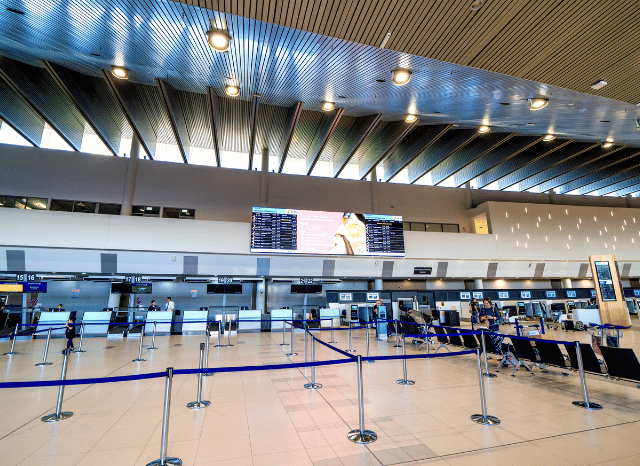
The security incident had a significant impact on flight schedules at both Paphos and Larnaca airports. Reports indicate that around 60 flights to and from Cyprus were cancelled across the two main airports as precautionary measures were implemented and airlines adjusted their operations.
European carriers, including easyJet, reported multiple cancellations affecting routes between Cyprus and the UK, with services expected to remain disrupted into the middle of the week. Airlines cited the evolving security situation and operational challenges in regional airspace for the changes.
Passengers caught up in the disruption were urged to check with their airlines for the latest flight information and updates. While many flights were eventually rescheduled or rerouted, the incident added to travel uncertainty for both international visitors and local residents.
Wider Regional Context
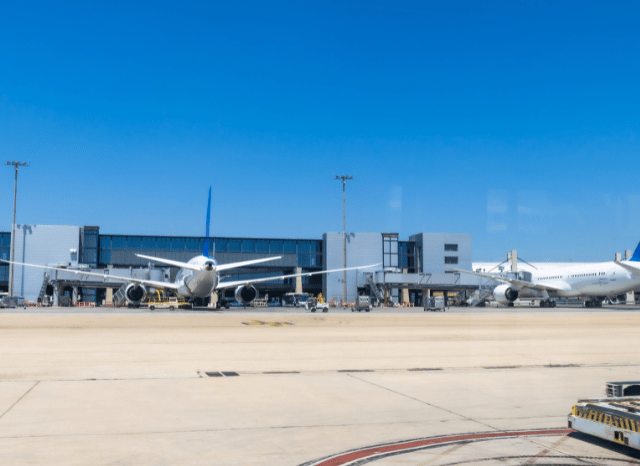
The security alert at Paphos occurred against the backdrop of escalating regional tensions involving the United States, Israel and Iran, where recent hostilities have spilled into surrounding areas. Overnight drone strikes on strategic locations, including the RAF base on Cyprus, heightened concerns about potential spillover effects beyond the immediate conflict zones.
Cypriot officials have sought to balance swift security responses with assurances to the public and international community. A government spokesperson stated that authorities were taking all appropriate precautions to ensure safety without causing undue alarm, while stressing that investigations into the radar detection were ongoing.
The British Ministry of Defence confirmed that its assets at Akrotiri had been targeted in recent drone activity but reported no significant damage or casualties. Greece has also pledged additional military support to Cyprus, including deploying fighter jets and naval assets, highlighting the broader geopolitical ramifications for the Eastern Mediterranean.
Political and Security Reactions
Cypriot President Nikos Christodoulides reiterated that the island nation is not directly participating in military actions related to the Middle East conflict. He emphasised that Cyprus’s role remains focused on maintaining security within its borders and safeguarding critical infrastructure such as airports, which serve as vital nodes for tourism and commerce.
European leaders have voiced concern over the potential for regional conflicts to impact neighbouring territories and transport hubs. Some officials have called for increased diplomatic engagement to prevent further escalation, while others have advocated for bolstering defensive capabilities around strategic assets in allied countries.
As of early March 3, Paphos Airport has returned to regular operation, but flights continue to experience delays and occasional cancellations amid enhanced security protocols. Travellers are advised to stay updated with official notices from airport authorities and their respective airlines.
The incident at Paphos highlights the fragility of regional stability and the ways in which broader geopolitical conflicts can reverberate through civil aviation and public infrastructure far beyond active combat zones. Authorities on Cyprus and across Europe continue to monitor developments closely as they navigate the challenges posed by an unpredictable security landscape.