
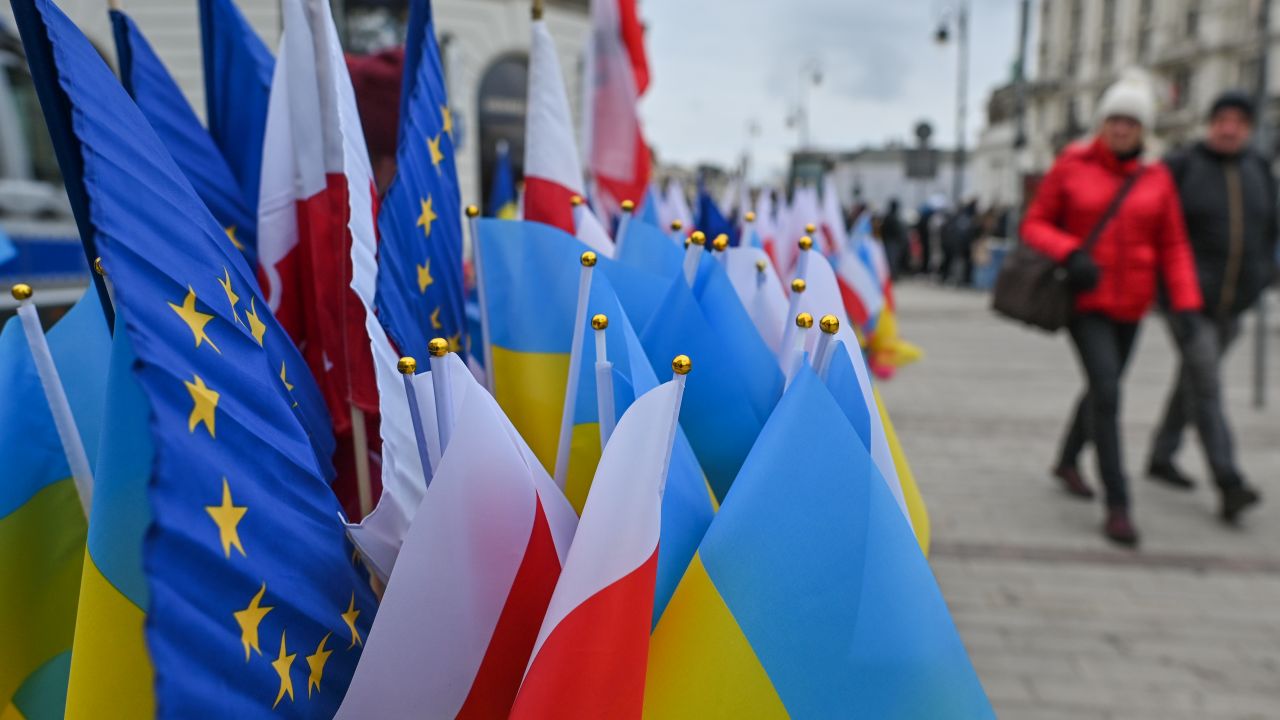
Ukrainian workers have become a critical component of Poland’s economic landscape, with recent data highlighting their substantial contribution to the labor market and overall economic growth. According to figures released by Polish authorities, Ukrainians now represent the largest group of foreign workers in Poland, filling essential roles across multiple sectors. The integration of Ukrainian workers into the Polish economy has accelerated significantly since the full-scale Russian invasion of Ukraine in February 2022, fundamentally reshaping workforce dynamics in the country.
Statistical data indicates that hundreds of thousands of Ukrainians are currently employed in Poland, making them indispensable to key industries. The influx has helped address labor shortages that Polish businesses had struggled with for years, particularly in construction, manufacturing, agriculture, and services.
Ukrainian Workers Drive Key Economic Sectors
The construction industry has emerged as one of the primary beneficiaries of Ukrainian labor, with reports suggesting that Ukrainian workers constitute a significant percentage of the workforce on building sites across Poland. Additionally, the manufacturing sector has relied heavily on Ukrainian employees to maintain production levels and meet growing demand. These workers have filled gaps that domestic labor supply could not adequately address, according to industry analysts.
Meanwhile, the service sector has also seen substantial Ukrainian participation, ranging from hospitality and retail to logistics and transportation. The agricultural industry, particularly during harvest seasons, depends considerably on Ukrainian seasonal workers who have been coming to Poland for years, even before the recent migration wave.
Economic Impact and Financial Contributions
Beyond filling labor shortages, Ukrainian workers contribute significantly to Poland’s economy through taxes and consumption. The ministry of finance has noted that tax revenues from Ukrainian employees have increased substantially, bolstering public finances. Furthermore, Ukrainian workers spend their earnings within Poland, supporting local businesses and stimulating economic activity in communities across the country.
However, the situation also presents challenges for both Polish authorities and Ukrainian workers themselves. Integration into the formal economy remains an ongoing process, with some workers still navigating bureaucratic hurdles related to work permits and legal status. In contrast to earlier migration patterns, the post-2022 wave includes many highly educated professionals and families seeking long-term settlement rather than temporary employment.
Long-Term Implications for the Polish Economy
Economists suggest that the presence of Ukrainian workers in Poland has helped maintain the country’s competitive edge in Central Europe. Labor shortages had previously threatened to constrain economic growth and increase wage pressures across various sectors. The availability of Ukrainian labor has moderated these concerns, allowing businesses to expand and accept new contracts they might otherwise have declined.
Additionally, demographic challenges facing Poland make the Ukrainian workforce increasingly valuable. With an aging Polish population and declining birth rates, the report indicates that foreign workers will become even more essential to sustaining economic growth in coming decades. Ukrainian workers, many of whom speak similar languages and share cultural affinities with Poles, represent a relatively smooth integration compared to workers from more distant regions.
Nevertheless, authorities have not confirmed comprehensive long-term strategies for managing this demographic shift. Questions remain about social integration, housing availability, and the provision of public services to accommodate the expanded population. The government continues to balance support for Ukrainian refugees and workers with addressing concerns from some Polish citizens about labor market competition.
Polish officials are expected to release more detailed economic analyses in the coming months, which may inform policy decisions regarding work permits, residency rights, and integration programs. The trajectory of the war in Ukraine will likely continue influencing migration patterns and, consequently, the composition of Poland’s workforce for the foreseeable future.