
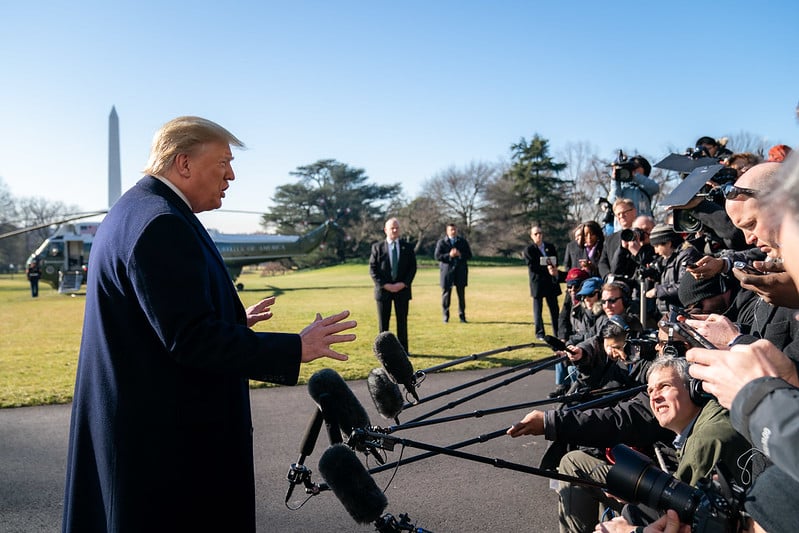
President Donald Trump is set to deliver his State of the Union address tonight at 9 p.m. ET, with investors closely watching amid current market volatility. The State of the Union address comes at a pivotal moment as Americans face concerns about the economy, inflation, and the administration’s tariff policies, many of which were recently challenged by the Supreme Court.
According to the Constitution, the President must address Congress annually to provide updates on accomplishments and outline future policy priorities. Tonight’s speech will be broadcast to Congress and viewers worldwide during a period of significant economic uncertainty.
Market Impact of State of the Union Address
Historical data from a MarketWatch analysis indicates that the Dow Jones Industrial Average experienced an average movement of negative 0.03% on the day following State of the Union speeches between 1961 and 2020. However, following Trump’s third address during his first term, the Dow rose 1.7%, suggesting potential market reactions can vary significantly.
Additionally, current market conditions differ substantially from previous years, with heightened sensitivity to policy announcements. Investors are particularly attentive to any comments regarding economic policy and foreign relations that could influence trading activity.
Tariff Policy Remains Central Concern
Following the Supreme Court ruling on tariffs, Trump announced plans over the weekend to increase the global tariff rate from 10% to 15%. According to the administration, this increase will be implemented under Section 122 of the Trade Act of 1974, which permits the President to impose tariffs up to 15% for a maximum of 150 days, though Congress can authorize extensions.
Meanwhile, investors remain concerned about how tariff policy affects inflation and consumer prices. Higher tariffs can increase costs for imported goods, potentially driving inflation upward and influencing Federal Reserve decisions on interest rates.
Economic Affordability and Inflation Challenges
Since inflation surged following the pandemic, Americans have struggled with affordability issues across multiple sectors. The report indicates that many individuals earning previously comfortable salaries now find themselves living paycheck to paycheck, with housing costs and retirement savings presenting significant challenges.
However, progress on affordability issues could substantially influence voter sentiment ahead of November’s midterm elections. The Trump administration has initiated efforts to reduce costs for Americans, though the effectiveness of these measures remains uncertain.
Artificial Intelligence and Employment Concerns
In contrast to traditional economic concerns, recent worries about artificial intelligence have emerged as a significant market factor. Observers will be watching to see whether Trump addresses AI technology and its potential impact on employment during the State of the Union address.
Furthermore, recent revisions to jobs data have intensified recession concerns among market participants. The combination of AI-related job displacement fears and weakening employment figures has contributed to increased market uncertainty.
Foreign Policy Implications for Markets
The administration’s recent foreign policy actions have created additional areas of investor focus. According to reports, the administration has taken action regarding Venezuela’s former president, while ongoing developments concerning potential military action in Iran continue to evolve, though a nuclear deal reportedly remains under consideration.
Additionally, a U.S. military-led task force recently participated in an operation that resulted in the death of a Mexican drug cartel leader. Any comments from Trump suggesting increased foreign intervention could generate market volatility, though Motley Fool research indicates stocks have historically risen following war announcements.
Nevertheless, each international conflict presents unique, complex, and unpredictable circumstances that make historical patterns unreliable predictors of future market performance. Investors will be analyzing Trump’s foreign policy rhetoric carefully for signals about potential military engagements or diplomatic initiatives.
Market participants will continue monitoring reactions to the State of the Union address in the coming days, though the specific direction of any movement will depend heavily on the substance and tone of Trump’s remarks. Uncertainty remains about whether the administration will announce new economic initiatives or policy changes during tonight’s address.