
The automotive industry is experiencing significant shifts in electric vehicle timelines and safety regulations, with major announcements affecting supercar brands and EV manufacturers. Scout’s relaunch has reportedly been delayed by a year, Lamborghini has canceled its first fully electric supercar, and China has introduced new steering wheel safety rules. These developments reflect the evolving challenges facing automakers as they navigate the transition to electrification and changing market demands.
According to recent reports, the Scout brand relaunch has been pushed back to approximately 2028 from its original 2027 target. The delay is attributed to ongoing development and software challenges as the American marque works to finalize its all-electric truck and SUV lineup before entering the market.
Lamborghini Scraps Electric Supercar Plans
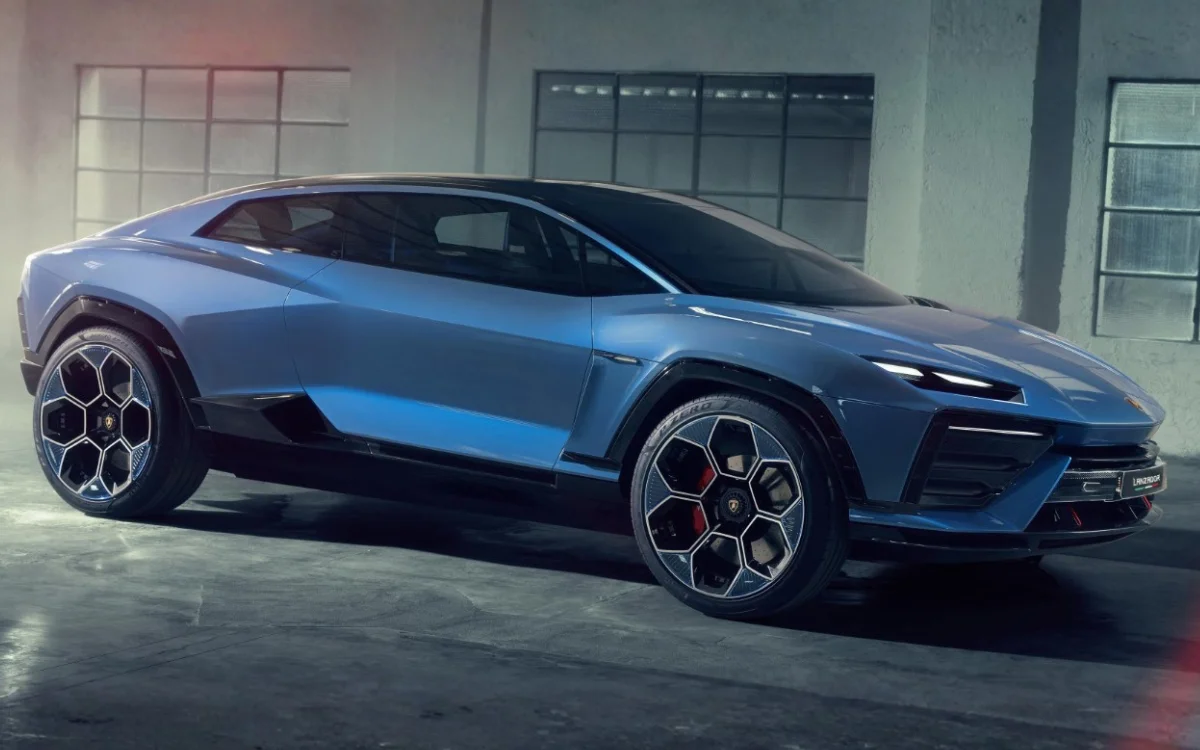
In a major strategy reversal, Lamborghini has officially canceled the Lanzador, which was set to become the brand’s first fully electric supercar. CEO Stephan Winkelmann stated that demand from traditional Lamborghini buyers for a completely electric model remains very low at present.
Instead, the Italian supercar manufacturer will pivot toward developing a plug-in hybrid alternative. This decision allows Lamborghini to pursue electrification while maintaining the performance characteristics and driving experience that define the brand’s identity.
The cancellation highlights the challenges premium automakers face when introducing electric vehicles to customer bases with strong preferences for traditional powertrains. Additionally, it demonstrates how even luxury brands must balance innovation with market realities and consumer demand.
China Implements New Steering Wheel Regulations
Chinese authorities have announced that yoke-style steering wheels will be banned starting in 2027 as part of updated vehicle safety regulations. The new rules specifically target the futuristic half-wheel designs that have appeared in some electric vehicles in recent years.
This regulatory change follows China’s earlier ban on flush car door handles, according to industry reports. The measures indicate that Chinese safety regulators are taking a cautious approach to automotive interior innovations, requiring that design advances meet strict safety standards before approval.
However, the ban will likely impact several automakers who have incorporated yoke steering wheels into their vehicles, including certain Tesla models. Manufacturers selling vehicles in China will need to ensure their steering wheel designs comply with traditional circular configurations or face market restrictions.
Impact on Electric Vehicle Development
These three developments collectively illustrate the complex challenges facing the automotive industry during the electric vehicle transition. Meanwhile, Scout’s delay suggests that developing competitive EV software and hardware systems requires more time than initially anticipated by some manufacturers.
Lamborghini’s decision reflects broader uncertainty about consumer acceptance of fully electric supercars. The brand’s shift toward plug-in hybrids represents a compromise between electrification mandates and customer preferences for traditional supercar performance.
In contrast, China’s regulatory approach demonstrates how government safety standards can limit design freedom even as automakers pursue innovation. The yoke steering wheel ban shows that futuristic features must still prioritize driver safety and control.
Industry observers note that these setbacks and regulatory changes may influence other automakers’ electrification strategies. Additionally, the moves suggest that the transition to electric vehicles may proceed more gradually than some predictions indicated, with market forces and safety concerns shaping the pace of change.
The automotive industry will continue monitoring how these developments affect product timelines and design choices. Scout has not confirmed the exact revised launch date, while Lamborghini has not yet revealed detailed specifications for its replacement plug-in hybrid model.