
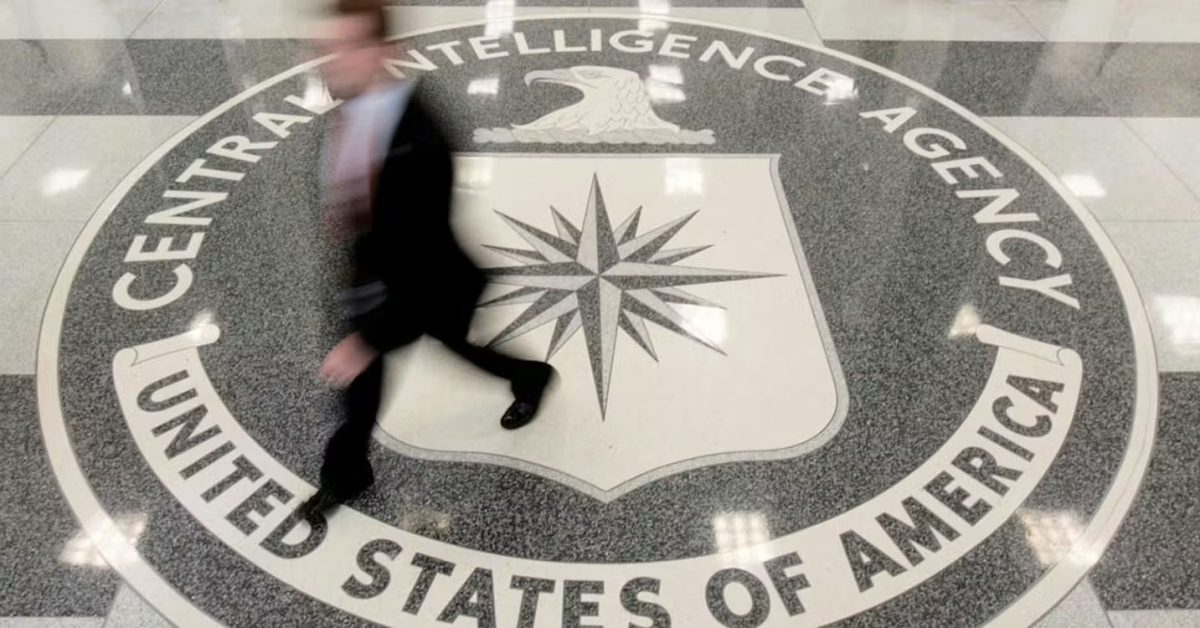
Apple CEO Tim Cook attended a classified CIA briefing on Taiwan in 2023 and later told officials he slept with one eye open afterward, according to a new report. The previously undisclosed briefing brought together top tech executives to discuss escalating concerns about a potential Chinese invasion of Taiwan, where Apple’s primary chip manufacturer TSMC operates critical fabrication plants.
The July 2023 meeting took place in a secure briefing room in Silicon Valley and included Cook, Nvidia CEO Jensen Huang, AMD CEO Lisa Su, and Qualcomm CEO Cristiano Amon, who joined remotely. CIA Director William Burns and Director of National Intelligence Avril Haines presented intelligence suggesting China’s military buildup could lead to action against Taiwan as early as 2027, according to The New York Times.
CIA Briefing on Taiwan Reveals Invasion Timeline
The classified briefing was arranged at the request of Commerce Secretary Gina Raimondo, who had grown frustrated trying to convince tech companies to diversify their chip supply chains away from Taiwan. Intelligence officials presented evidence of China’s military spending and preparations that pointed toward a possible move on the island within a few years.
China has long claimed sovereignty over Taiwan and has conducted military exercises simulating blockades of the democratic island. US and allied intelligence agencies have monitored these activities with growing concern, particularly following Russia’s invasion of Ukraine in 2022, which some analysts believe may have emboldened Beijing.
Apple’s Critical Dependence on TSMC
The briefing underscored Apple’s vulnerability regarding its chip supply chain. TSMC manufactures all of Apple’s most advanced processors, including the chips that power iPhones, iPads, and Mac computers. Additionally, TSMC reserves its cutting-edge fabrication processes exclusively for facilities located in Taiwan.
However, relocating this production presents enormous challenges. While TSMC operates chip plants in other countries, including new facilities in Arizona, these operations utilize older manufacturing processes that cannot produce the smallest, most sophisticated chips required for current Apple products.
Limited Options for Supply Chain Diversification
The US government has pushed tech companies to source semiconductors from American and South Korean manufacturers as a risk mitigation strategy. Nevertheless, no alternative supplier currently possesses the technical capability to match TSMC’s most advanced chip production for Apple’s needs.
TSMC has acknowledged the geopolitical risks and developed contingency plans. The company reportedly has systems in place to remotely disable its chip fabrication equipment in the event of a Chinese invasion, preventing the technology from falling into hostile hands.
Broader Implications for Tech Industry
The situation extends beyond Apple, affecting the entire technology sector’s reliance on Taiwanese semiconductor manufacturing. Taiwan produces the majority of the world’s most advanced chips, creating a critical bottleneck in global supply chains that intelligence officials view as a strategic vulnerability.
Meanwhile, chip manufacturers are gradually expanding production capacity in the United States and other locations. These efforts will take years to reach the scale and sophistication of Taiwan’s current operations, leaving companies exposed to geopolitical risk in the interim.
The timeline for potential Chinese military action against Taiwan remains uncertain, though intelligence assessments continue to monitor Beijing’s capabilities and intentions. Tech companies are expected to face ongoing pressure from Washington to reduce their Taiwan exposure, despite the practical limitations of finding alternative chip sources in the near term.